
Body Positivity One Post At A Time


Influencers hold a pivotal role in society with body issues on the rise, some source of positivity is always a good idea. They often use their platforms to sell things or spread positive messages. But are these messages getting through to the people they're meant for? To find out, I talked to four people about whether body-positive influencers are helping them feel better about themselves.
The landscape of body positivity is evolving, with notable influencers like May Ridts, Spencer Barbosa, and Fatties&Feelings paving unique paths toward empowerment. May Ridts, with her raw vulnerability, encourages her 400k followers to embrace their flaws, emphasizing the transformative power of confidence. May has a broadcast channel called ‘Dear Turtles’, where she follows her motto: "The only beauty standards you should follow are your own."

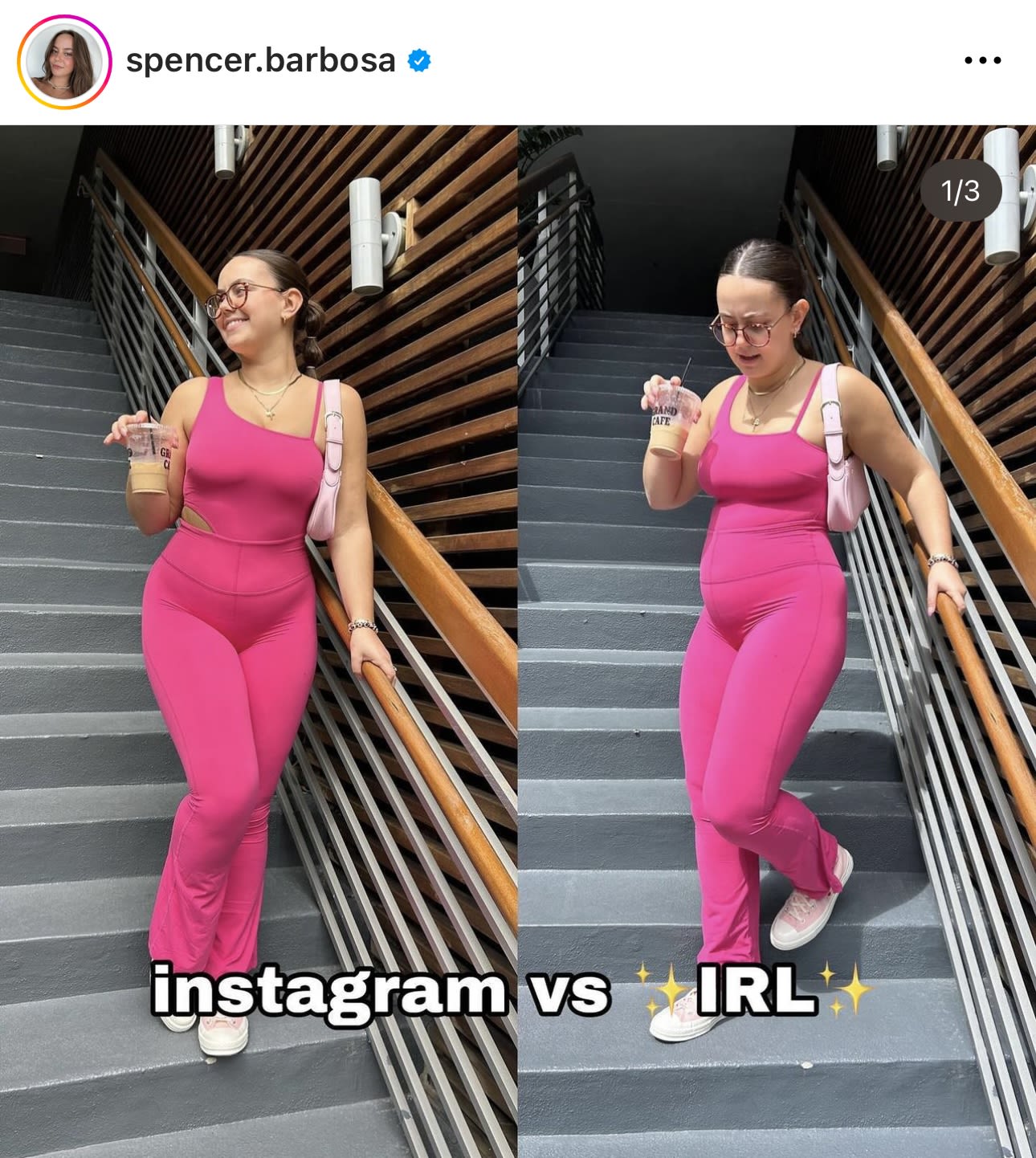
Image by Spencer Barbosa
Image by Spencer Barbosa
Similarly, Spencer Barbosa challenges societal norms by advocating that beauty transcends mere numbers on a scale, urging her audience to love their bodies unconditionally. Spencer holds a 2.1m following, where she collaborates with celebrities such as Selena Gomez, who also promotes being happy in your skin. Meanwhile, Fatties&Feelings employs the medium of art to convey messages of body positivity, offering a fresh perspective on self-acceptance. Fatties&Feelings (Vee) is a queer woman who goes by the pronouns they/she. With a 44.7k following, they try to reach out to their audience in a way they feel represented, which is in their bodies. Their motto is: "In these bodies, we are home." They sell their art in the form of earrings, stickers, and prints.

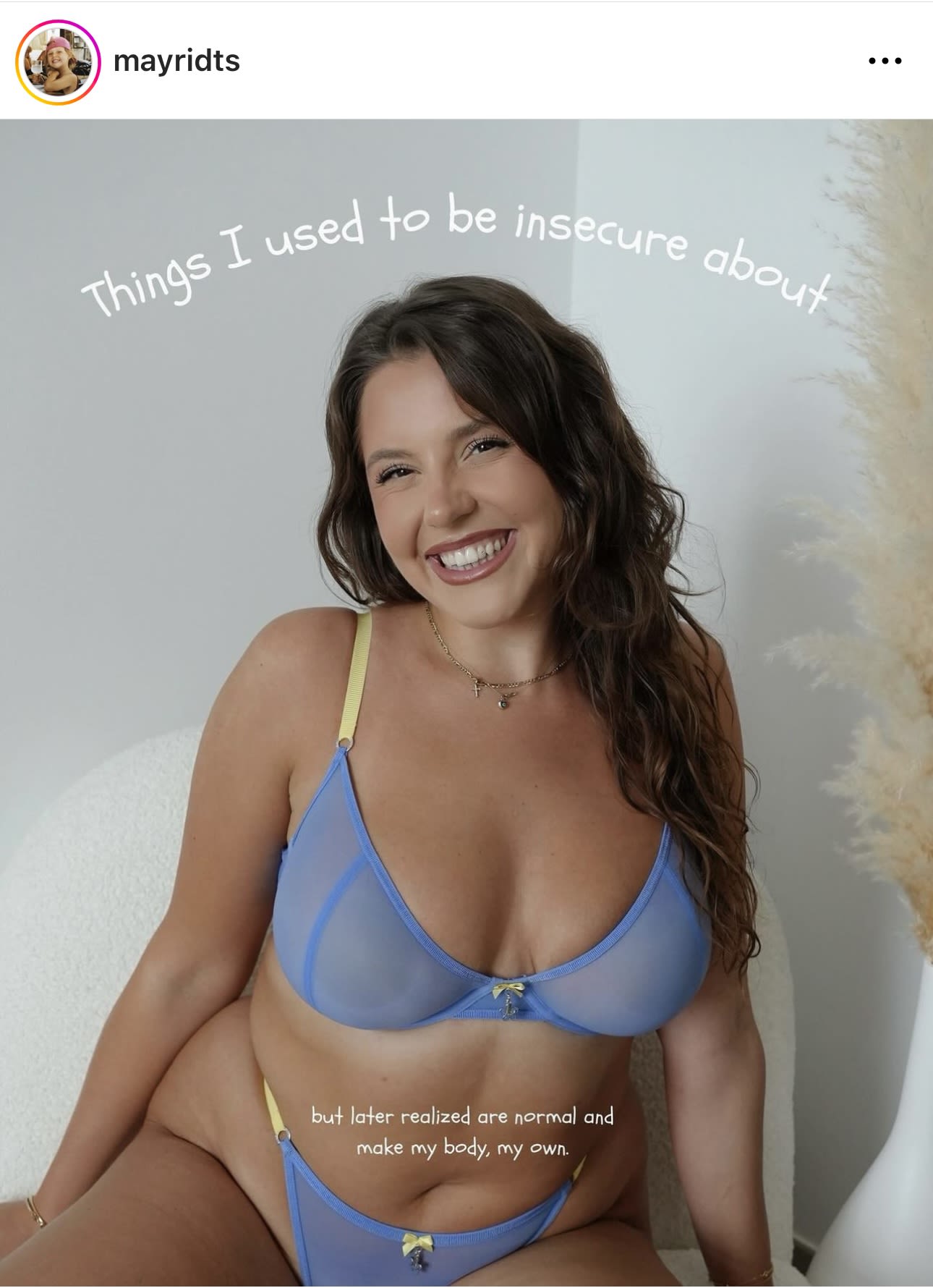
Image by May Ridts
Image by May Ridts

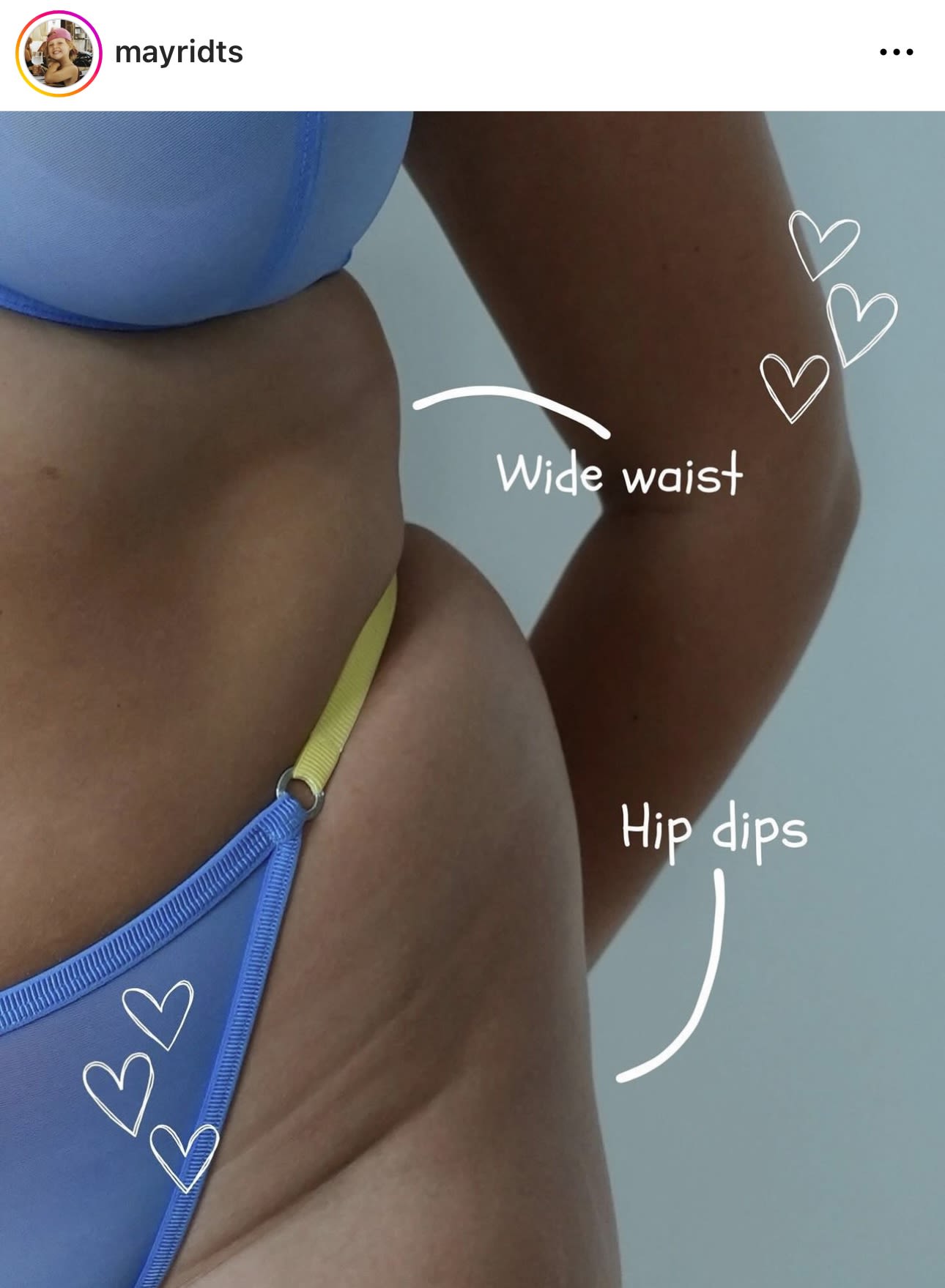
Image by May Ridts
Image by May Ridts

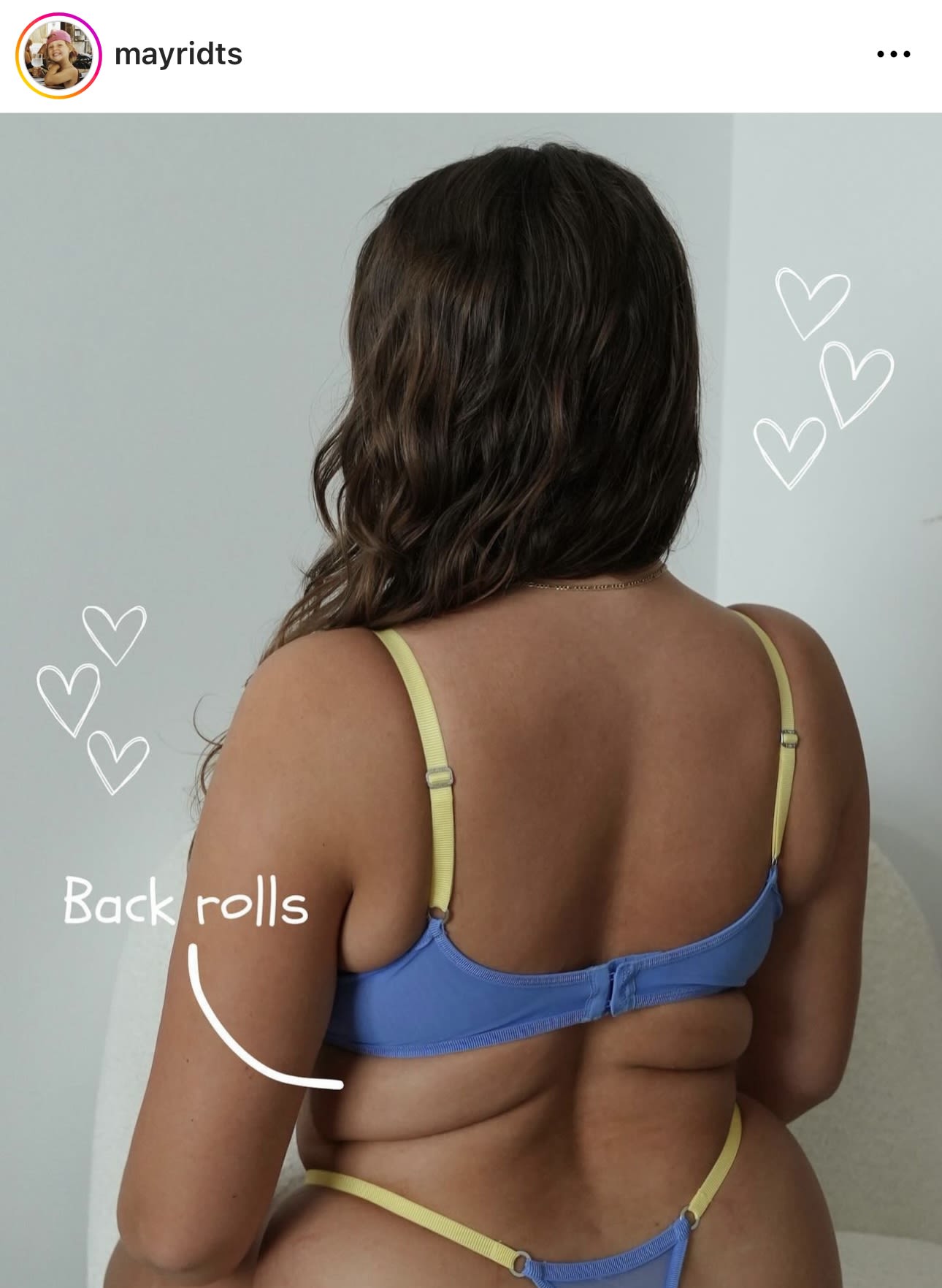
Image by May Ridts
Image by May Ridts

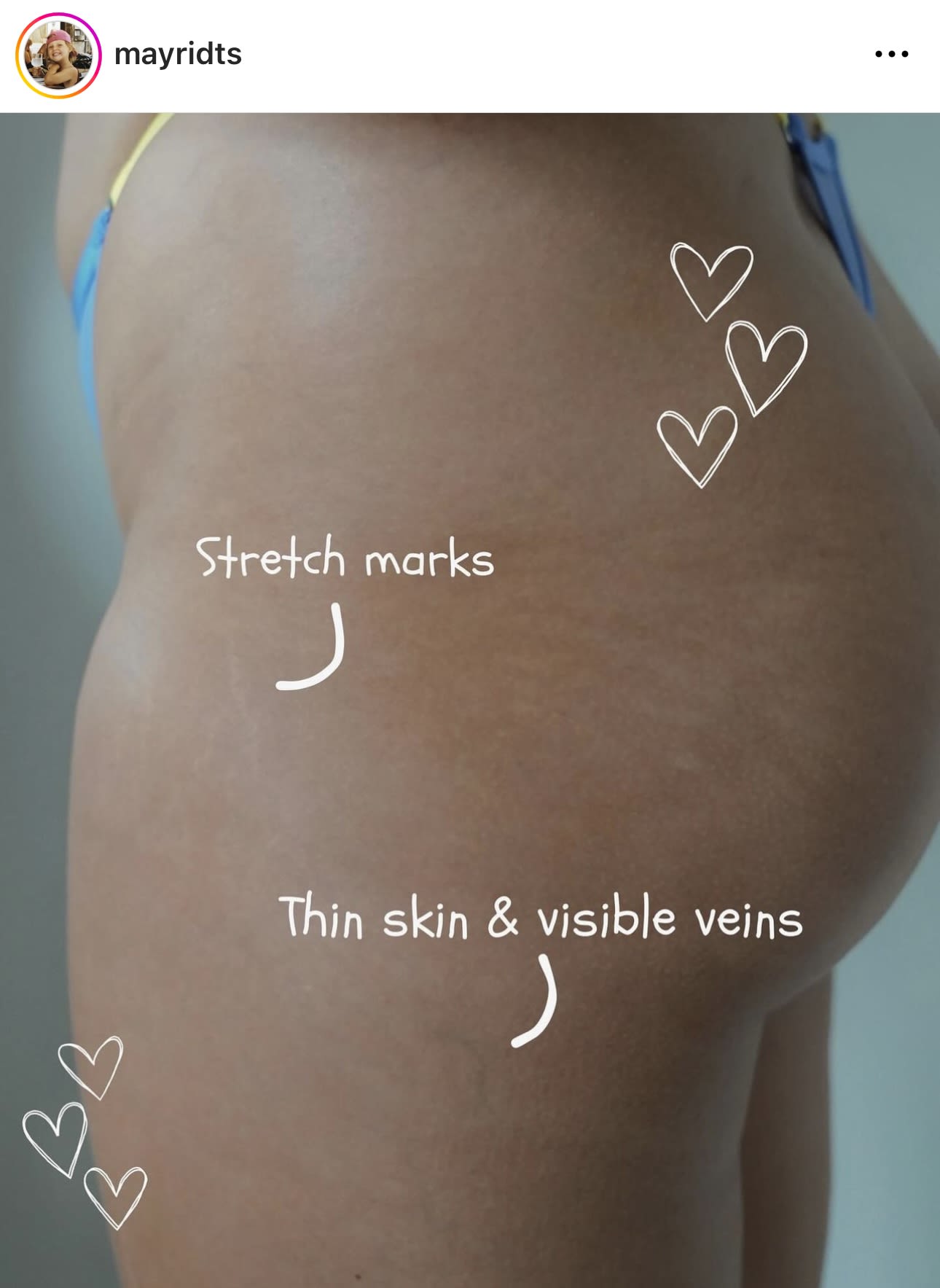
Image by May Ridts
Image by May Ridts
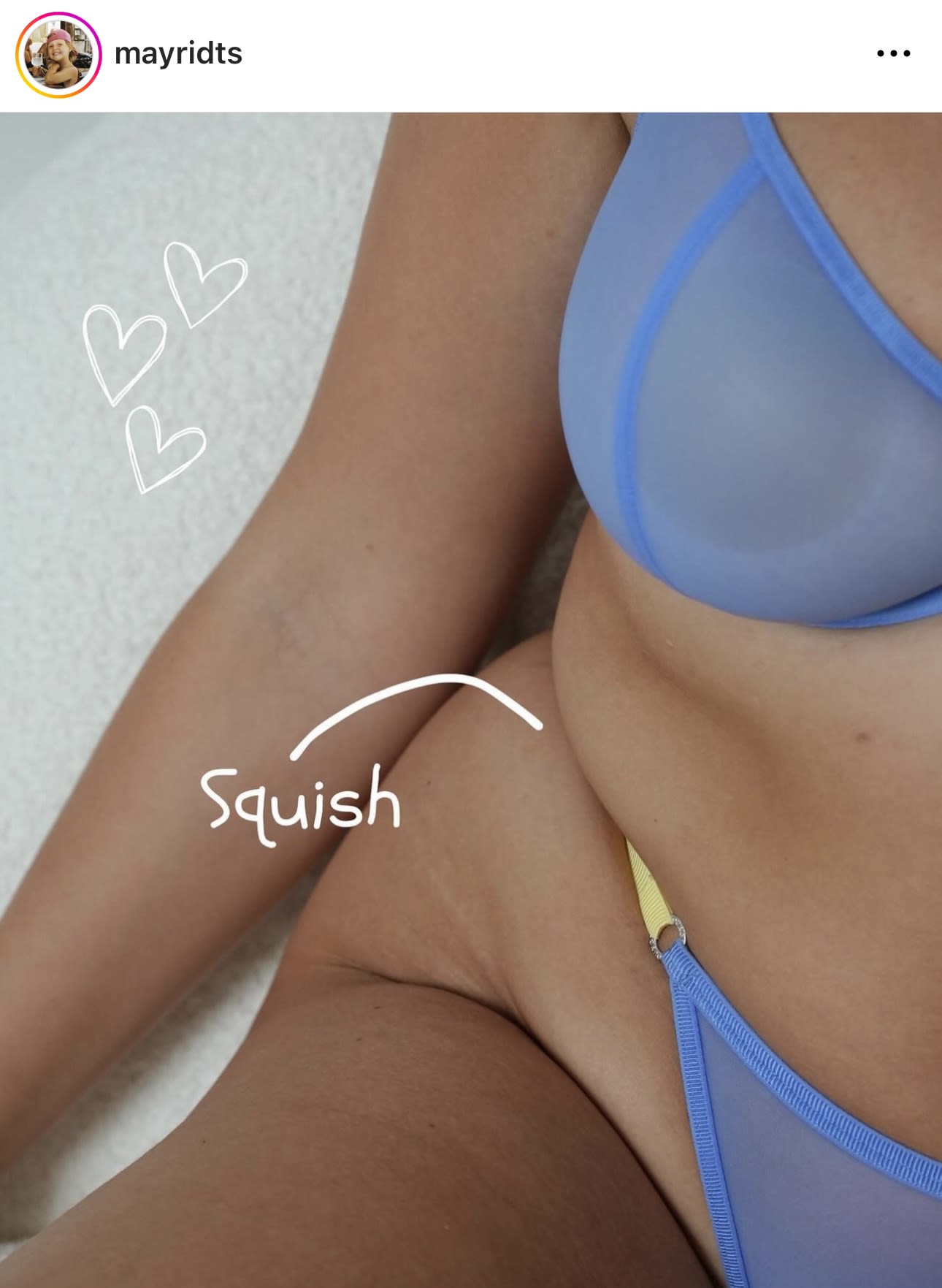
Image by May Ridts
Image by May Ridts
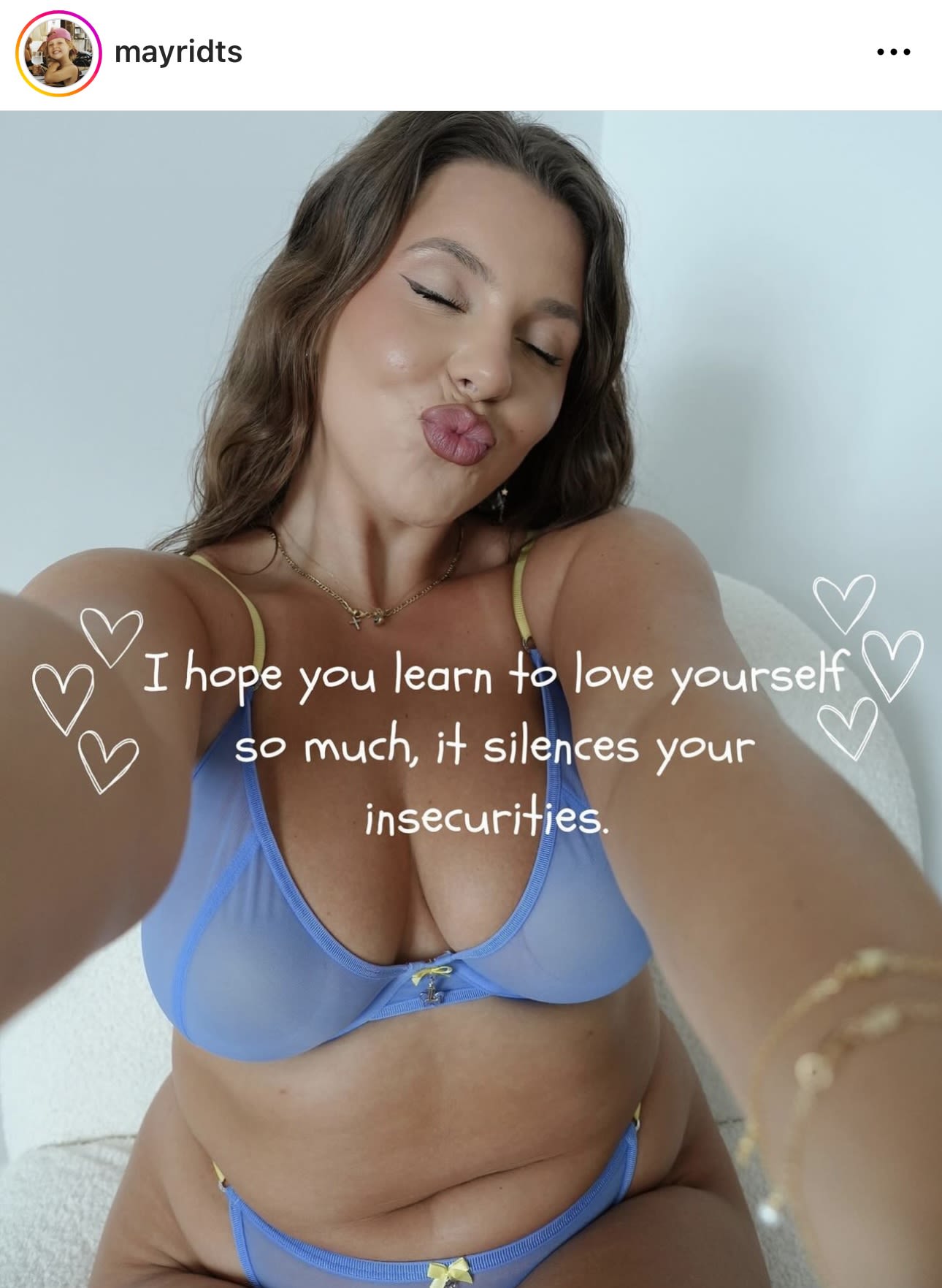
Image by May Ridts
Image by May Ridts
Some Artwork by FattiesandFeelings

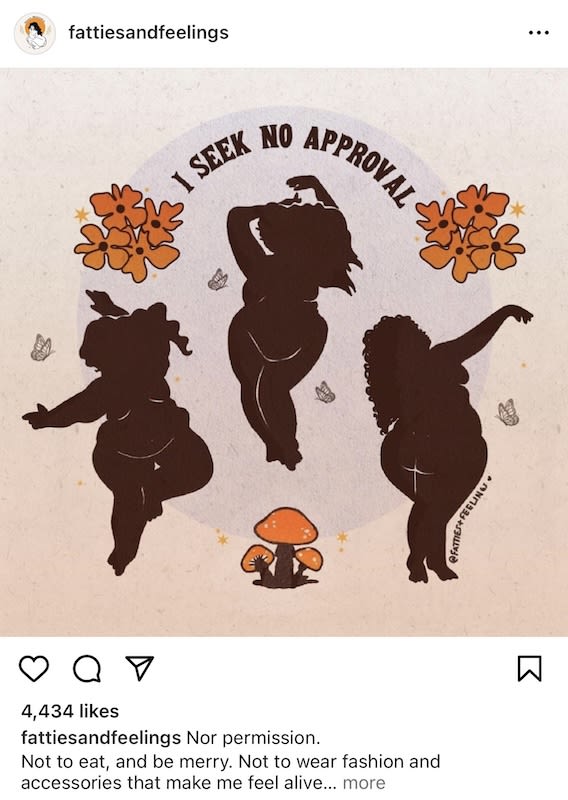
Image by FattiesandFeelings
Image by FattiesandFeelings

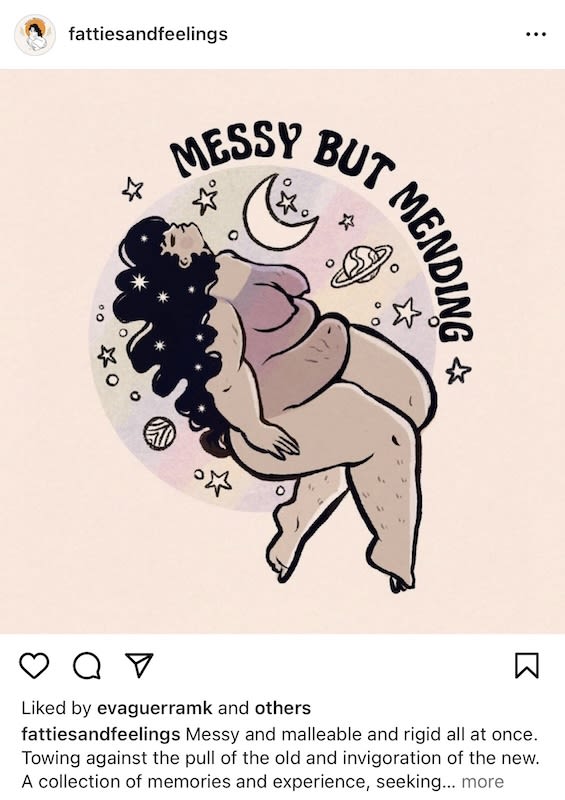
Image by Fatties and Feelings
Image by Fatties and Feelings

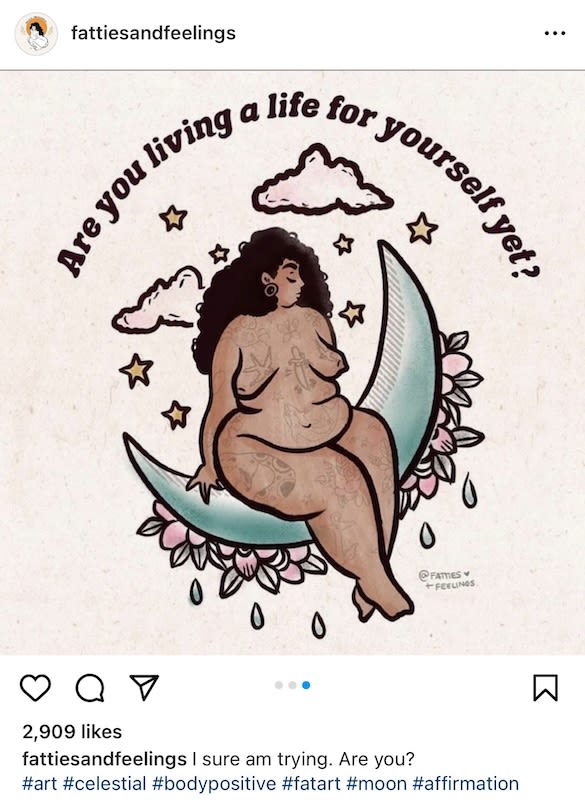
Image b FattiesandFeelings
Image b FattiesandFeelings
However, recent trends reveal a paradox within the realm of plus-size influencers. While many have championed body positivity, some are now opting for weight loss interventions such as Ozempic and surgeries. This shift begs the question: can influencers who once celebrated their bodies still wield influence after transforming themselves?
The prevalence of plus-size characters in mainstream media often perpetuates stereotypes, portraying them as the butt of jokes, lacking leadership roles, and depicted in relationships with exaggerated eating habits. These portrayals contribute to negative stereotypes, portraying obese individuals as lacking in willpower, lazy, sloppy, and emotionally unstable.
Rebel Wilson's career path serves as a poignant example of this phenomenon. Initially typecast as the funny, overweight character, Wilson's weight loss journey has led to speculation about the impact on her career. Despite her success, Wilson has seldom been cast as a lead character. Her romantic roles are often relegated to comedic purposes, such as her portrayal of "Fat Amy" in the Pitch Perfect series. In a candid interview with The Sunday Times, Wilson revealed that while her mother supported her weight loss, many feared she would lose the charm that defined her comedic persona.
Amy Schumer and Melissa McCarthy, too, have grappled with similar typecasting. Despite landing lead roles, they are often depicted as the "fat woman" in films like "I Feel Pretty," perpetuating the stereotype of the overweight sidekick to a thin, attractive protagonist.
Plus-size actresses are frequently relegated to supporting roles, reinforcing the narrative that their worth lies solely in their comedic relief rather than their ability to portray complex characters.
.

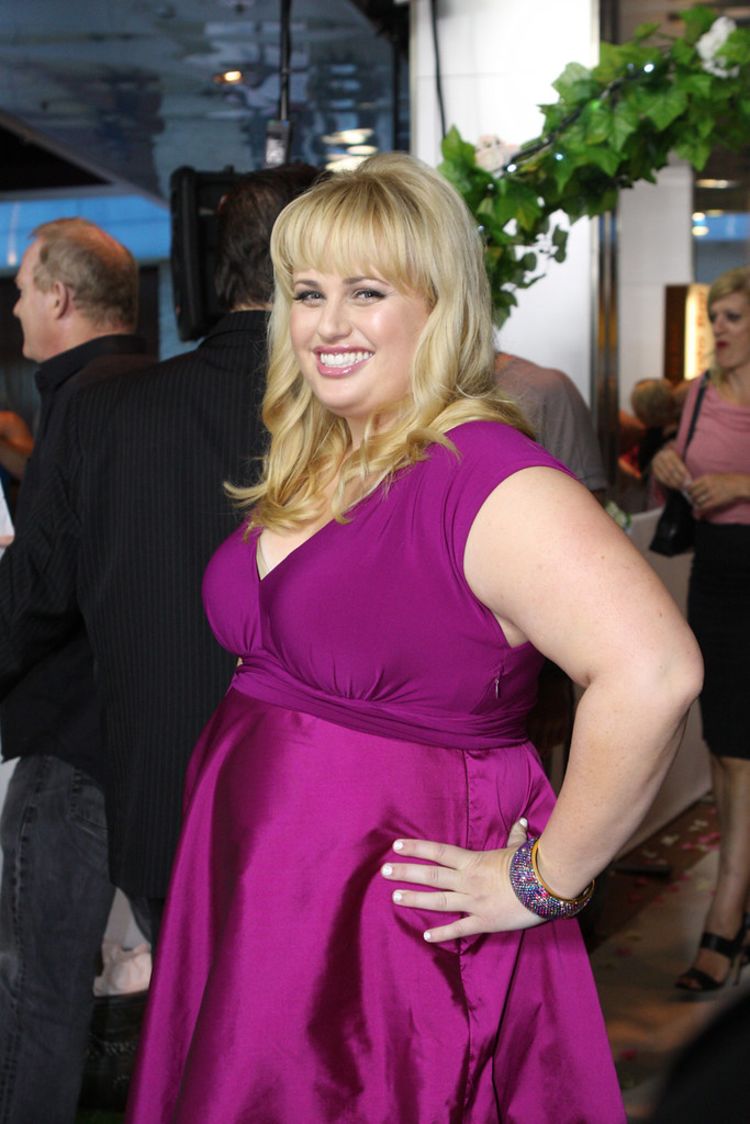

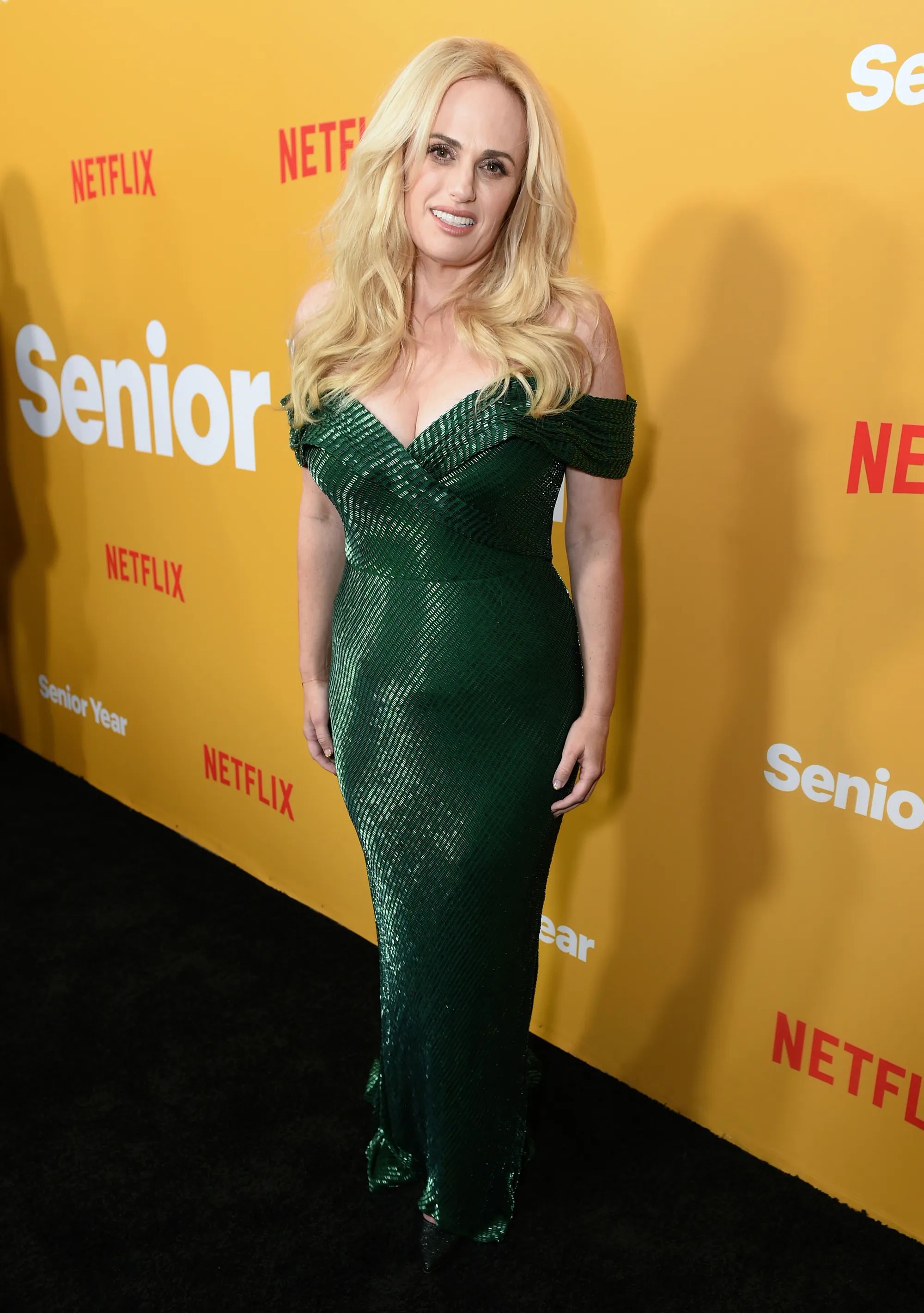
Recent articles have shed light on a growing trend among influencers turning to methods such as using Ozempic and undergoing weight loss surgeries. But what's driving this shift?
For some, like an influencer mentioned in an NBC News article, health concerns take precedence. She was prescribed Ozempic to manage symptoms of polycystic ovarian syndrome, prioritizing her well-being over the potential disappointment of her 267,000 Instagram followers. Similarly, Kiki Monique, with 137,000 followers, shared her journey of using weight loss medication after being diagnosed as pre-diabetic. Despite facing criticism, she emphasized that such actions were not driven by a desire to conform to societal beauty standards but to feel better in her skin.
These instances underscore a nuanced understanding of the body positivity movement. Their audience often seeks validation rather than radical transformation. As one influencer remarked, those seeking change would likely follow individuals openly embarking on a "fitness journey."
It's crucial to differentiate between being fat or plus-size and being obese, as each carries distinct health implications. The desire to prioritize health by shedding excess weight should be normalized and not stigmatized.
Tracey-Lee Lusty's experience with gastric bypass surgery exemplifies this complexity. Her decision wasn't a rejection of body positivity but a means of enhancing her overall well-being. In her words, body positivity transcends size, emphasizing the importance of accepting and loving one's body in every stage of life.
These narratives challenge conventional notions of body positivity, highlighting the multifaceted nature of self-acceptance and the need for inclusive dialogue within the movement.

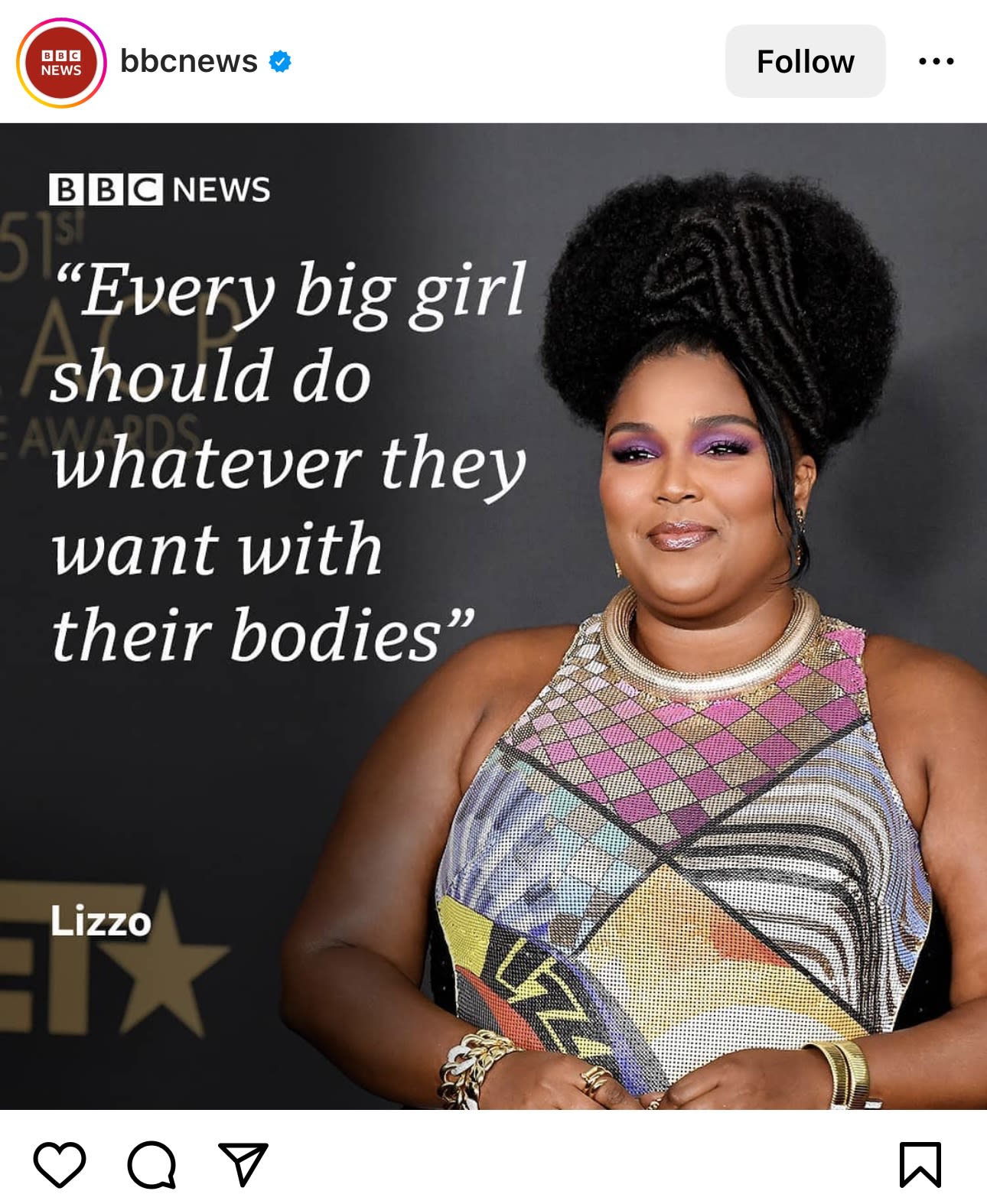
Image by BBC media
Image by BBC media
In my interviews, I encountered a spectrum of perspectives on the impact of influencers.
"The most impactful thing I encountered was visibility; I felt seen, I felt that it is not just me going through this journey, there are other people," says Petros. Some felt represented in many ways, such as colour, diversity, and the way they dress. "It’s nice to see me represented, especially with Kristin Raj because she is a brown girl like myself," says Imaan. She adds, "It’s a bonus that she looks like me, but what she can do is more of why I follow her."
Kara thinks they don’t do it to be popular. She mentions, "Especially with self-acceptance with Jess, I think it was her just being a woman." She continues telling us how realistic her content feels when some just show rainbows and sunshine. Jess just says, "Hey look, you’re a woman, you have a pooch and that’s normal like you have organs there, and sometimes you will look that way in your gym clothes and that is normal."
Watch the rest of the Interview below to learn more thoughts and perspectives.
"The most impactful thing I encountered was visibility; I felt seen, I felt that it is not just me going through this journey, there are other people!"
Ultimately, influencers are human too, grappling with their struggles and aspirations. Whether they embrace their bodies or embark on a journey of transformation, their ability to inspire and uplift remains undiminished. After all, beauty and positivity transcend physical appearance, resonating deeply with audiences seeking validation and empowerment.

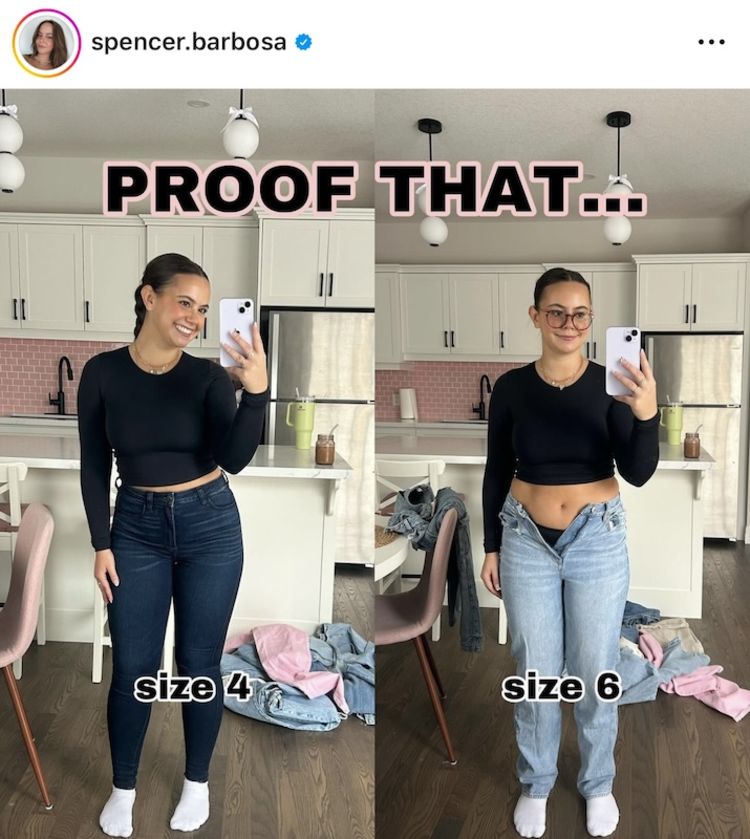
Image by Spencer Barbosa
Image by Spencer Barbosa
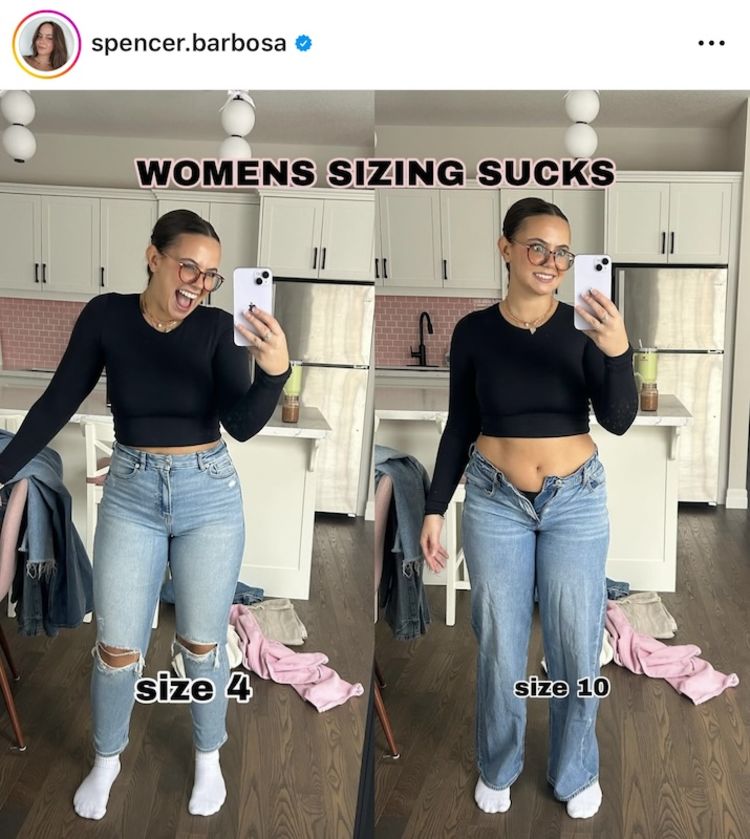
Image by Spencer Barbosa
Image by Spencer Barbosa
 Built with Shorthand